
The Ultimate Guide to Engine Overhauls: Signs, Process, and Costs Explained
An engine overhaul is one of the most significant—and stressful—repairs a vehicle owner can face. If your mechanic has thrown around terms like "rebuild," "top-end," or "major overhaul," it is completely normal to feel overwhelmed by the potential downtime and expense.
However, a properly executed overhaul can breathe decades of new life into a beloved vehicle, saving you from the massive financial burden of buying a brand-new car in today's tough economic climate. Here is the straightforward truth about engine overhauls, what the process entails, and how to decide if it is the right move for your vehicle.
What is an Engine Overhaul?
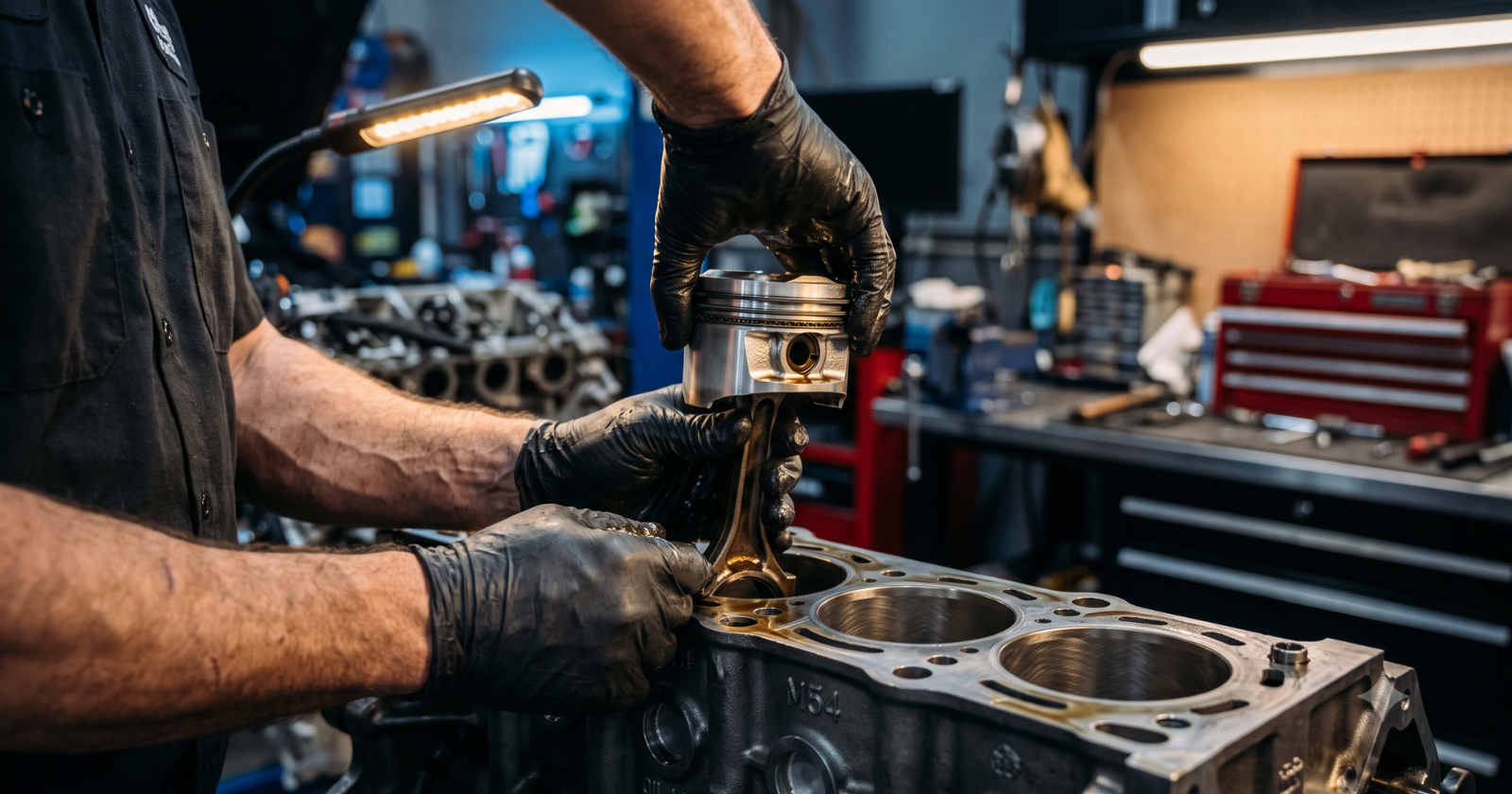
An engine overhaul (often called an engine rebuild) is the process of restoring an engine to its original factory specifications. It involves taking the engine apart, cleaning and inspecting every single component, and replacing or machining parts that have worn down from friction and heat over the kilometres.
Depending on the damage, your workshop will recommend one of two paths:
| Type of Overhaul | What It Includes | Best For... |
| Top-End Overhaul | Focuses on the cylinder head, valves, valve springs, and head gasket. The heavy engine block usually remains in the car. | Fixing blown head gaskets, valve seal leaks, or localized loss of compression. |
| Complete (Major) Overhaul | The entire engine is removed and disassembled. Includes engineering the block, replacing piston rings, bearings, gaskets, seals, and the timing components. | High-mileage engines with severe wear, spun bearings, or catastrophic internal failure. |
Top 5 Signs Your Car Needs an Engine Overhaul
Engines rarely fail overnight; they usually give you warning signs. If you are experiencing any of the following symptoms, it is time to search your local car repair directory for an engine engineering specialist.
-
Excessive Oil Consumption: If you find yourself constantly topping up your oil but there are no visible puddles on your driveway, your internal piston rings or valve seals are likely worn, causing the engine to burn its own oil.
-
Thick Exhaust Smoke: * Blue/Grey Smoke: Indicates burning oil.
-
Thick White Smoke: Indicates burning coolant (usually a blown head gasket or cracked block).
-
-
Knocking or Tapping Noises: A deep, rhythmic knocking sound from the bottom of the engine ("rod knock") means your bearings are worn. This is a severe issue that requires an immediate overhaul to prevent the engine from destroying itself.
-
Severe Loss of Power: Worn piston rings or leaking valves cause a loss of compression. Without compression, the engine cannot generate its normal power and will severely struggle to accelerate.
-
Metal Shavings in the Oil: If a mechanic drains your oil and finds sparkling metallic flakes, your internal components are actively grinding against one another.
The Overhaul Process: Step-by-Step
Understanding where your Rands go can help ease the shock of the quote. An engine overhaul is an incredibly labour-intensive process requiring precision engineering down to fractions of a millimetre.
-
Disassembly and Inspection: The engine is pulled from the chassis and torn down to the bare block. Every component is measured with precision micrometers to check for microscopic wear.
-
Cleaning: Parts are chemically cleaned or "hot tanked" to strip away years of baked-on carbon buildup, sludge, and grease.
-
Engineering/Machining: The engine block's cylinders are honed or bored out so they are perfectly round. The cylinder head is skimmed so it sits perfectly flat against the block, preventing future gasket leaks.
-
Reassembly: New internal components are installed. This strictly includes new piston rings, main and big-end bearings, a complete gasket and seal kit, a new oil pump, and a fresh timing belt or chain.
-
Testing: The engine is reinstalled in the vehicle, filled with fresh fluids, and test-run to ensure proper oil pressure, compression, and cooling.
Is an Engine Overhaul Worth the Cost?
Deciding whether to overhaul your engine or replace the vehicle comes down to practical math and sentimental value.
Consider an overhaul if:
-
The rest of the vehicle (gearbox, suspension, chassis, interior) is in excellent condition.
-
You own a classic, rare, or highly sentimental vehicle.
-
The total cost of the overhaul is significantly less than taking on a vehicle finance deposit and high interest rates for a replacement car.
Consider replacing the car (or buying an imported used engine) if:
-
The vehicle has severe rust, major electrical faults, or a failing automatic gearbox.
-
The cost of the rebuild exceeds the actual retail value of the vehicle.
Find a Trusted Workshop in Our Directory
An engine overhaul is not a job for a weekend DIYer or a standard fast-fit centre. It requires specialized engineering tools, immense attention to detail, and expert mechanical knowledge.
Use our Auto Repair Directory to find certified, highly-rated engine rebuild specialists in your area. Always look for RMI-approved (Retail Motor Industry) and MIWA-registered (Motor Industry Workshop Association) workshops, or members of the ARA (Automotive Remanufacturers' Association). Ensuring they offer strong, written warranties on their workmanship (typically 12 months/20,000 km) will guarantee your peace of mind before handing over the keys.
Like the article?
Join the conversation!
This is a space for respectful conversation. Let's keep all comments productive and inclusive.